Deepak Varadharaj
June 9, 2017
2 min read
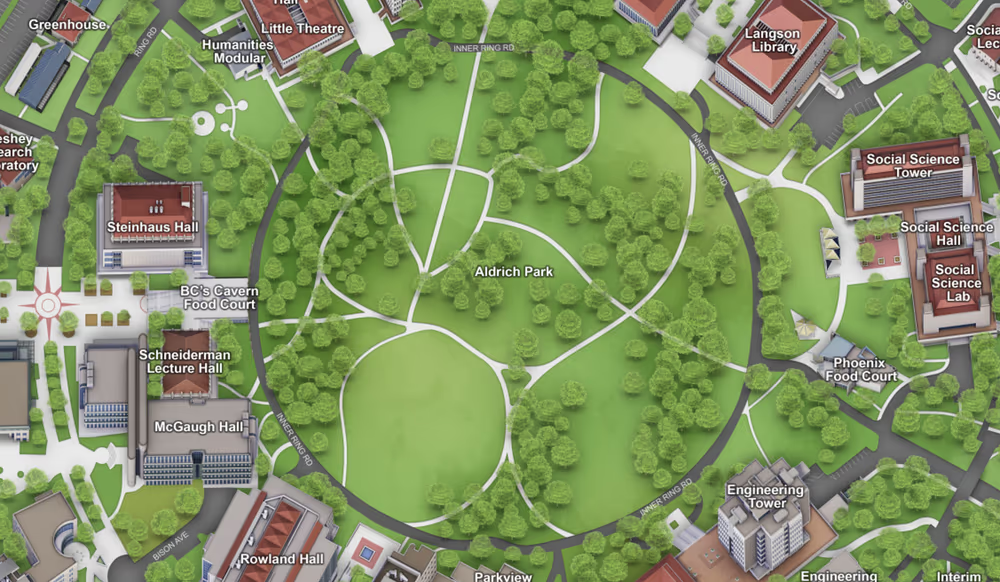
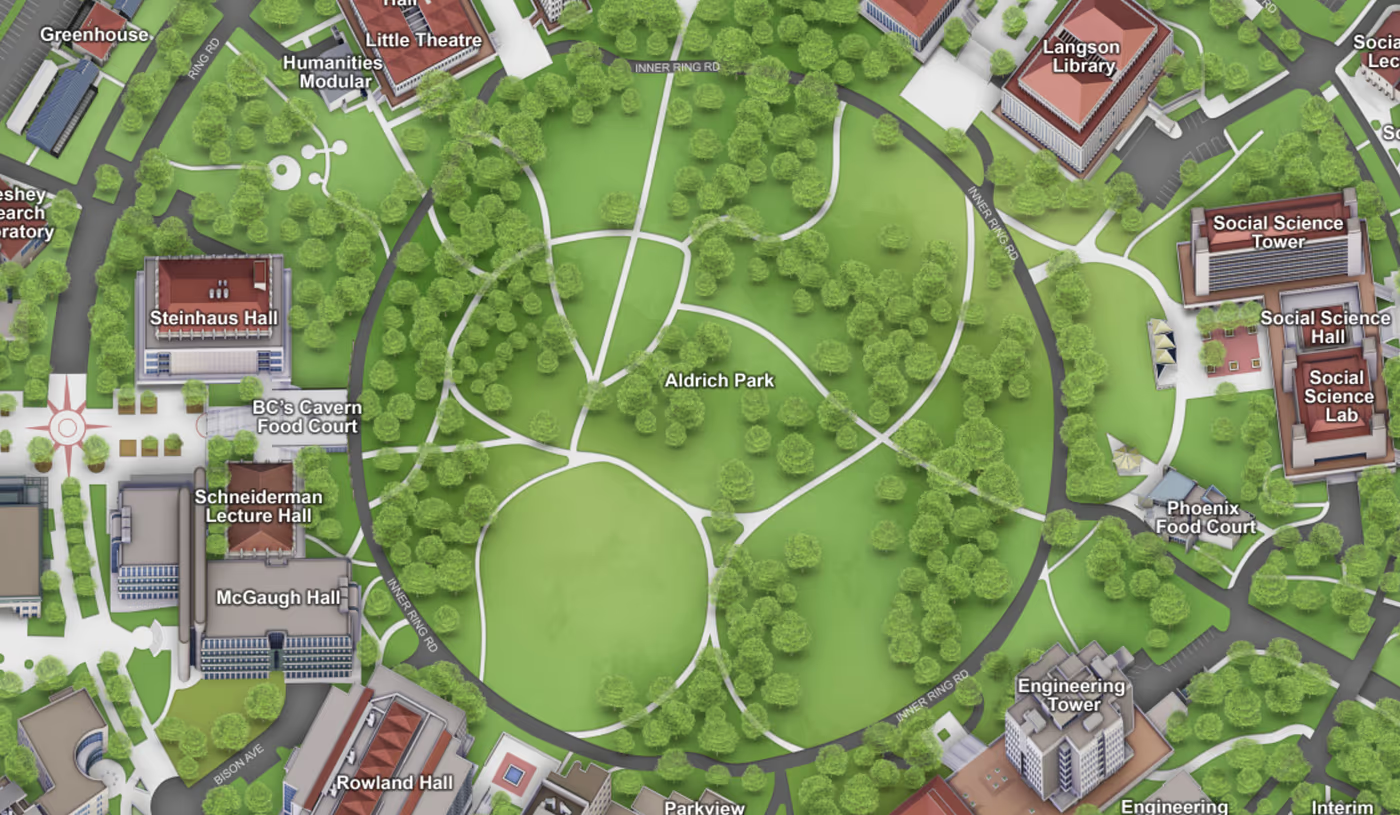
When the University of California Irvine built their buildings they had a huge vacant park in the middle, where they wanted to create pavements for the students to walk around. When faced with planning the pathways, they decided to leave it for a year and see what tracks were formed by the students. Students now had the freedom to choose their preferred routes across the garden to their classes. Once those muddy tracks were formed, the University paved them. Leaving it to the students to move along the garden according to their needs gave them the best design possible. It wouldn’t have been so optimized even if campus designers had conducted research or even by taking a survey with the students because even those students wouldn’t have had a clue of what they really need.
Twitter is one great example that did this well. In the beginning they just had a box to type 140 characters and hit submit. Later they saw users replying to tweets (Even the word “Tweet” was coined by the users) with the @ sign, they supported name autosuggestions and a reply button; and later the thread. When people started copying tweets and posting it again with RT written, they added a “Retweet” button. Similarly the Hashtags.
When designing a product or a feature, think holistically but develop what’s just enough for users to start using it. Make it live as soon as possible. Observe how people use it, get feedback, ask questions and improve what is necessary. You will be surprised to see a lot of things you thought were important to build initially were not important at all. What people actually needed was something else. This way you can keep your product light weight and solve real problems without making it complex.